


Most associations run a WordPress site that has grown slow and sprawling, and no one on the lean marketing team has time to fix it. This website rebuild case study shows how Adtelic rebuilt its own property, artdesignideas.com, for speed and search, and which parts of that work a small association team can realistically copy.
What was actually wrong with the site before
When I rebuilt our art-and-design property, artdesignideas.com, the problem was the one every content site develops if you let it run unsupervised: it had accumulated posts faster than it had accumulated structure. Pages loaded slowly. Related articles sat next to each other for years without ever linking to one another. The topic areas (art, design, and the ideas connecting them) had no internal-link spine holding them together.
That is a quieter failure than a site going down, and a more expensive one. Slow pages and thin internal linking are how a content site goes invisible without ever going down. Google could crawl every page. What it could not do was work out what the site was authoritative about, because nothing on the site told it. A search engine reads structure. We had given it a pile.
Slow pages and thin internal linking are how a content site goes invisible without ever going down.
This is the exact shape of the problem most associations have, which is why I am writing it down. Years of board-requested pages and event recaps get piled onto a theme that was never built for speed, and nothing connects the member-facing content to the rest. If that sounds familiar, the symptoms are worth naming honestly. These are the signs your site needs a rebuild, not just a refresh. The site is not broken. It is illegible.
How we rebuilt it: platform, speed, structure, operations
The first decision was the one that saves the most money: we kept it on WordPress. The right move is almost never a platform migration. It is fixing the WordPress you already have. I watch teams treat a slow site as a reason to re-platform, and a re-platform is how you turn a three-month problem into an eighteen-month one. We changed what was failing and left the rest alone.
Speed came first, at the theme and asset level. We cut page weight, set images to lazy-load so the browser stops fetching everything at once, and tightened caching so pages render fast without re-platforming. None of this required a new CMS. It required someone willing to do unglamorous performance work on the site that already existed.
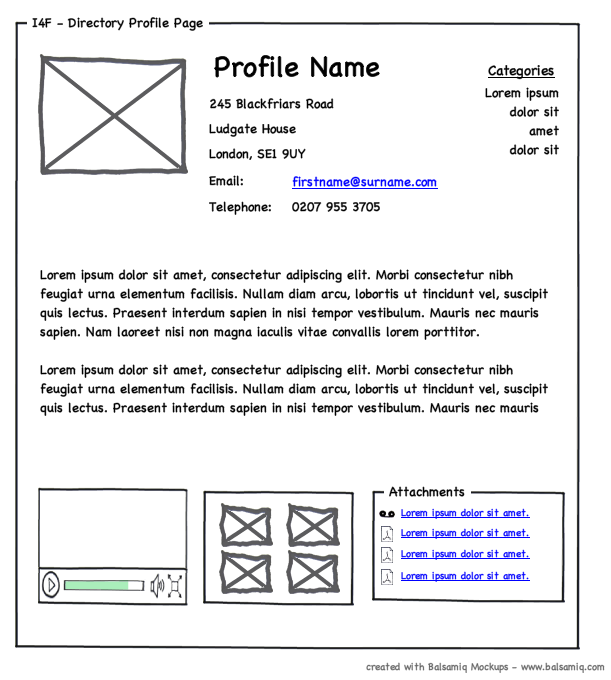
Structure was the larger job. I reorganized the whole site around three reader-facing entry points (Art, Design, Ideas) instead of around how the content had historically been filed. Each one has orientation sections: a Start Here, a set of Useful Guides, a Foundations layer for the reference material. Then I wired the posts into topic clusters with deliberate internal links between related pieces, so the iconic-furniture articles now cross-link to each other and to the design-legend profiles instead of sitting in isolation. The tagline I settled on says what the structure is for: a field guide to visual culture, covering artists, design icons, interiors, objects, and the choices that shape modern taste.
The last piece was content operations, and this is the part a lean team cannot fake by hand. I used our content research platform to find the query patterns worth writing for, then ran our content operations pipeline (research, draft, edit, fact-check, publish) to produce structured, search-aware posts at a cadence one person could never sustain manually. That method is AI-assisted, and I have written separately about AI-assisted content operations for associations. What we skipped matters as much: no full re-platform, no custom design system, no rebuild of pages that already worked. Surgical, not total.
What this website rebuild case study actually changed
Here is what I can say without inventing numbers, because inventing numbers is how case studies lose the people worth convincing. The site now loads with lazy-loaded assets instead of fetching everything up front. It presents a coherent three-pillar architecture a reader and a crawler can both follow. And it now publishes in tight topic clusters that earn search visibility for the art-and-design how-to and reference queries (design legends, iconic furniture, artist profiles) it had no real claim to before.
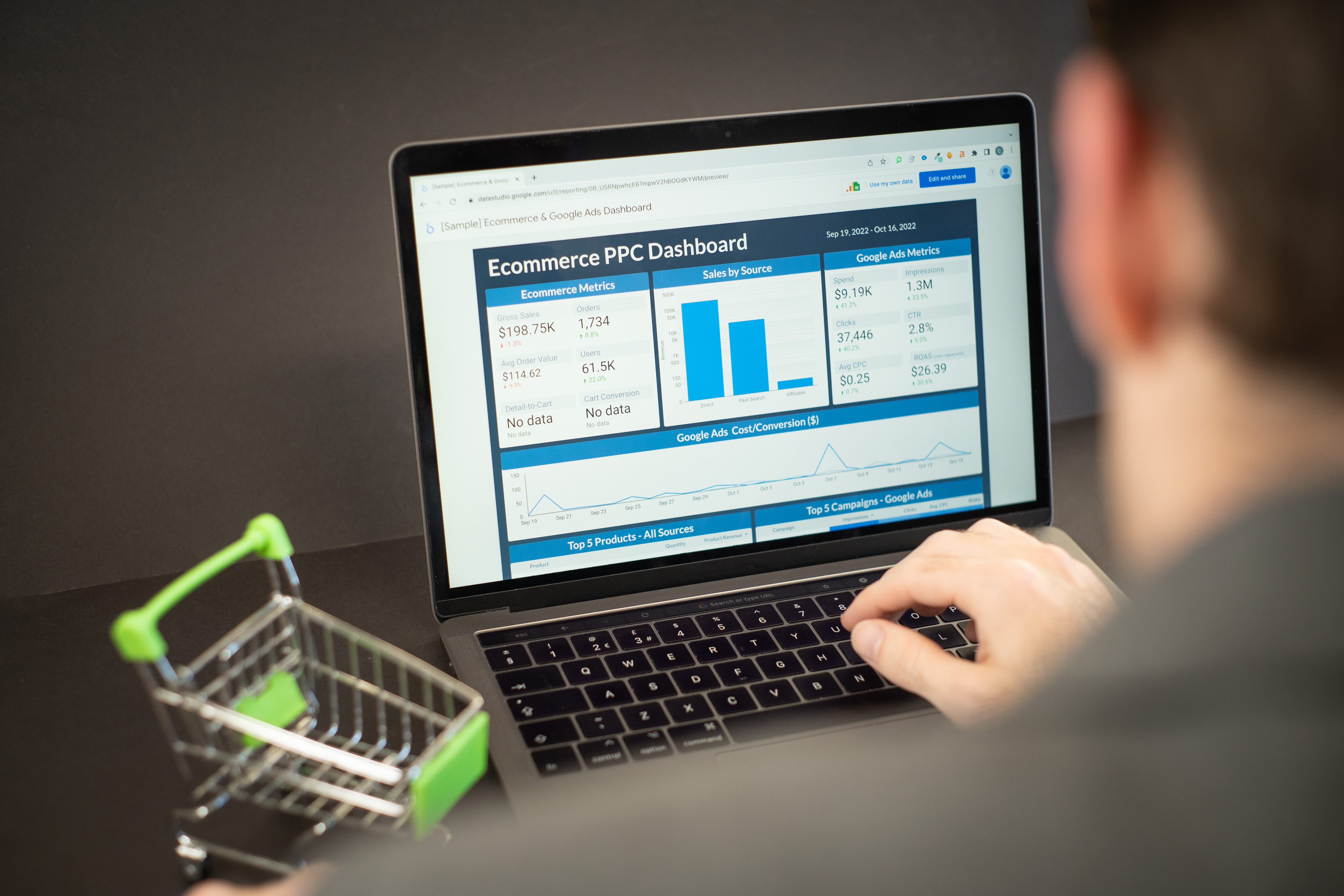
I am going to keep those claims directional, because that is what the evidence supports. Pages are faster. Search visibility is climbing on art and design reference queries. I will not quote a load time I did not benchmark or a ranking position I did not track, because a case study that leans on precision it cannot defend is a sales pitch wearing a lab coat.
The honest part: the content cadence outran the visual polish. Image delivery is still placeholder-based: lazy-loaded SVG and data-URI placeholders, not yet next-generation WebP. That is the next thing on the list. I am telling you that on purpose. A case study you can trust names what is still broken, not just what worked. The structural claim is the one that holds: clustered content, internal links, and real speed work add up to a site search engines can finally read and rank.
A case study you can trust names what is still broken, not just what worked.
What an association can actually take from this
artdesignideas.com was the controlled test. An association is the real thing, and the differences matter, so let me separate what copies directly from what needs adapting.
Directly applicable: fix the WordPress you have instead of re-platforming. Reorganize around how members actually navigate, not around how your staff and departments are organized. The sitemap should not be an org chart. Build internal-link clusters so your highest-value member content reinforces itself instead of stranding each page. And use AI-assisted content operations to publish at a cadence a lean team can sustain, because cadence is what most association content programs cannot hold.
Requires adaptation: an association’s stakes are higher than a design blog’s. You have member data, AMS integration, accessibility and WCAG obligations, and a board that governs change. These are the operating realities the American Society of Association Executives spends its time on. That makes an association website rebuild a higher-risk project than rebuilding a content site, and pretending otherwise would be dishonest. The order of operations still holds, and it is the part of association website strategy most redesigns get backwards, but the governance and data realities sit on top of it.
The translation is straightforward. The same operating method (speed, member-centered structure, topic clusters, AI-assisted content operations) is what I bring to an association website, with the governance and AMS realities layered in. If you are weighing one, that is the work behind redesigning an association site, and it starts from the same place this one did: the platform you already own. Good association website design is mostly restraint about what not to touch.
If the content-operations half of this is the part you want for your own organization, that is where I would start. Schedule an AI Readiness Audit, and we will look at whether your site and your content process are ready to publish at a cadence your team can actually hold.
Frequently Asked Questions
What is a website rebuild case study?
A website rebuild case study is a documented account of how a specific site was rebuilt: what was wrong, what changed, and what resulted, used as evidence rather than as a sales claim. This one follows artdesignideas.com, a property Adtelic owns, so the before and after are publicly verifiable rather than described from memory.
How long does a website rebuild take?
It depends on scope. Fixing the WordPress site you already have (speed, internal-link structure, content cadence) can run a few weeks to a few months without a full re-platform. A ground-up migration to a new CMS takes far longer and carries more risk. For most content sites, the faster path is repairing the platform you have, not replacing it.
Does rebuilding a website improve search rankings?
It can, but not on its own. Faster pages and a clear internal-link structure let a search engine read what a site is actually about, which removes a ceiling on visibility. Rankings still depend on the content earning the position. Speed and structure make the content legible to search; they do not substitute for it.
How do you rebuild a WordPress site without losing SEO?
Keep the URLs, the platform, and the working pages, and change only what is failing. We rebuilt artdesignideas.com on WordPress rather than migrating off it, so existing posts kept their addresses and their history. Redirect anything you do move, preserve title and heading structure, and treat the rebuild as surgery on a live patient rather than a teardown.
Can AI tools speed up a website content rebuild?
Yes, for the content half of the work. We used our content research platform to find the query patterns worth writing for and our content operations pipeline to draft, edit, fact-check, and publish at a cadence a one-person team could not hit by hand. AI did not do the speed or structure work, which was manual, but it made the publishing rhythm sustainable.
Should an association rebuild its website or start over on a new platform?
Rebuild, in almost every case. Starting over on a new platform throws away URLs, search history, and working pages to solve a problem that is usually structural, not technological. An association carries extra weight here, including member data, AMS integration, and accessibility duties, which makes a careful rebuild safer than a migration. Replace the platform only when it genuinely cannot do the job.
More on association website strategy
- Should Your Association Website Live Inside Your AMS or Connect to It?
- Association Website Design: The Complete Strategic Guide
- Association Website vs Business Website: What’s Different
Not ready to talk to anyone yet? The AI Readiness Scorecard asks ten questions about how your operation actually runs and gives you a score and your three weakest areas in about three minutes. It is free and it does not ask for your email to show you the result.